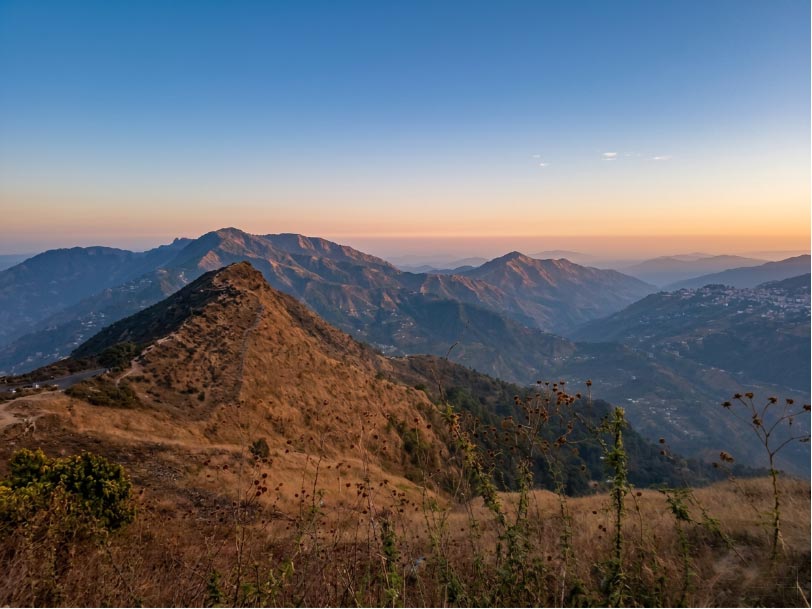
Nestled in the misty embrace of the Eastern Himalayas, Kurseong – the “Land of White Orchids” is a hidden gem perched at an altitude of approximately 4,864 feet. This serene hill station offers a perfect blend of colonial heritage, world-class tea gardens like Makaibari, and breathtaking views of the snow-capped Kanchenjunga. Whether you are wandering through the pine forests of Dow Hill, riding the historic UNESCO Toy Train (DHR), or exploring the revolutionary history at the Netaji Museum, Kurseong captivates with its slow-paced charm. It is an ideal retreat for those wanting to escape the crowds and immerse themselves in nature’s pristine beauty.
Lodging and dining facilities in Kurseong
Our guesthouse at Kurseong has 09 rooms, which can accommodate around 20 guests. We have Four Bedded Family rooms, Double Bed View rooms and Double Bed Non View rooms too. Surrounded by tea gardens and terraced farms, the guethouse is equipped with modern facilities like comfy beds, attached western bathrooms and a common balcony with panoramic views of Mt. Kanchenjungha and endless stretches of tea gardens. Our guesthouse also has open terraces, common balconies and even a glass house lounge. It serves sumptuous food in its dining room.
Kurseong Guesthouse Photo Gallery


Things to do at Kurseong
Kurseong offers a vibrant mosaic of activities that cater to every type of traveller, seamlessly blending high-altitude thrills with deep cultural immersion. For the adventure enthusiast, the rugged Himalayan terrain serves as a natural playground. Hikers can traverse a variety of paths, ranging from the gentle Makaibari Hike to the more rigorous Tung-Balasun Tea Ropeway Trail, or seek out the cascading beauty of Paglajhora Falls. Those craving an adrenaline rush can brave the Grade IV rapids of the Teesta River for white-water rafting, while the forested ridges around town provide excellent opportunities for rock climbing and mountain biking.
The town’s identity is inextricably linked to its world-renowned tea industry and colonial charm. Tea tourism allows visitors to step into iconic estates like Makaibari and Ambootia, where they can witness the intricate journey of the tea leaf from the gardens to the factory, culminating in curated tasting sessions. Complementing this is the nostalgic experience of the Darjeeling Himalayan Railway. A ride on this UNESCO-listed “Toy Train” offers a slow-paced, scenic journey that echoes a bygone era. For those looking to take a piece of the region home, the markets along Hill Cart Road offer premium organic teas, artisanal bamboo crafts, and traditional handwoven woollens.
Nature and wildlife lovers will find Kurseong to be a sanctuary of biodiversity. The mist-covered forests of Dow Hill, Bagora, and Chimney are premier destinations for birdwatching, while the Dow Hill Eco Park provides a rare chance to see indigenous deer roaming among towering pines. One of the town’s most unique ecological treasures is the Bhangzang Salamander Lake, a quiet refuge for the endangered Himalayan Salamander. These natural settings are best explored through contemplative walks along the “White Orchid” trails, where the town’s namesake flora often graces the path.
Beyond its physical beauty, Kurseong invites spiritual and intellectual reflection. History comes alive at the Netaji Museum and the DHR Railway Museum, while the town’s diverse spiritual heritage is showcased in the serene Ambotia Shiva Mandir and the gothic grandeur of St. Paul’s Church. No visit is complete without a journey through the local culinary landscape. From the comfort of steaming Momos and Thukpa to the sophisticated atmosphere of tea lounges like Margaret’s Deck, the flavours of Kurseong—much like the town itself—leave a lasting impression of warmth and authenticity.
How to reach Kurseong
The nearest rail head of Kurseong is New Jalpaiguri (NJP) and the nearest airport is Bagdogra (IXB). You can take taxis or shared cars from NJP or IXB to Kurseong or hire reserved cars too. Also, pick-up and drop service are provided by the homestay. You can also take the UNESCO-listed Darjeeling Himalayan Railway (Toy Train) from NJP to Kurseong.
Best time to visit Kurseong
You can visit Kurseong between March and September to beat the heat of the plains and enjoy lush tea garden tours. October to February mostly offers clear skies with stunning views of the Mt. Kanchenjunga range.
Places to see in Kurseong
Kurseong is a captivating destination that seamlessly blends its deep-rooted colonial heritage with the vibrant industry of tea tourism and breathtaking natural landscapes. Known for its quiet charm, the town offers a diverse array of experiences that cater to history buffs, nature enthusiasts, and those seeking spiritual solace.
For those drawn to panoramic vistas, Kurseong provides some of the finest vantage points in the Eastern Himalayas. Eagle’s Crag stands as a primary attraction, offering a sweeping view of the Siliguri plains and the winding Teesta River. Similarly, the Giddapahar View Point serves as a premier location for witnessing the majestic, snow-capped peaks of Kanchenjunga, providing visitors with a front-row seat to the grandeur of the mountain range.
The town’s historical and scientific legacy is preserved within its specialized museums. The Netaji Museum honors the life of Subhash Chandra Bose, displaying a poignant collection of his personal belongings, letters, and artifacts. Railway enthusiasts can explore the DHR Railway Museum located at the station, which chronicles the fascinating history of the UNESCO-listed Toy Train. Furthermore, the Dowhill Forest Museum offers an educational look at the region’s biodiversity, exhibiting meticulously crafted models of local Himalayan flora and fauna. The Nobel Laureate Rabindranath Tagore found inspiration in its serene surroundings, composing several of his poems here. The town even caught the attention of international figures, such as the American author Mark Twain, who visited in 1885 during his travels.
The soul of Kurseong, however, lies in its world-famous tea estates. Makaibari and Castleton are legendary names in the global tea industry; these gardens allow visitors to immerse themselves in the “leaf to cup” experience through guided factory tours and sophisticated tea-tasting sessions. These estates are not just commercial hubs but architectural and ecological landmarks that define the town’s character.
Finally, Kurseong offers a sanctuary for those seeking peace and reflection. The Ambotia Shiva Mandir, a serene temple nestled among lush orange orchards and tea bushes, provides a unique spiritual atmosphere. Not far away, tucked within the woods, lies St. Mary’s Grotto. This peaceful forest shrine, featuring a statue of the Virgin Mary, stands as a testament to the town’s quiet, multicultural spiritual fabric. Together, these sites form a rich tapestry that makes Kurseong much more than just a transit point, but a destination of profound beauty and depth.

Attractions around Kurseong
While Kurseong offers a world of quiet charm, its true allure lies in its role as a gateway to the diverse landscapes of the Eastern Himalayas. Within a short radius, travelers can transition from bustling colonial hubs to secluded eco-villages, each offering a distinct window into the region’s natural and cultural wealth.
Foremost among these is Darjeeling, located just 32 km away. Known globally as the “Queen of the Hills,” it remains a pinnacle of Himalayan tourism. Visitors flock to Tiger Hill to witness the first rays of dawn strike the Kanchenjunga massif, while the Batasia Loop offers a marvel of railway engineering set against manicured gardens and a solemn war memorial. For those interested in the region’s unique biology and history, the Himalayan Mountaineering Institute and Zoo provide a rare opportunity to see endangered red pandas and snow leopards alongside chronicles of legendary alpine expeditions.
For those seeking a more rural and rhythmic experience, the cluster of hamlets known as Sittong serves as a vibrant contrast. Celebrated as the “Orange Village,” its hillsides are transformed into a brilliant orange hue during the winter harvest. Beyond its orchards, Sittong boasts the Ahaldara Viewpoint, offering 360-degree vistas of the Teesta River, and the Jogighat Bridge, which provides a scenic crossing over the Riyang River. Nature enthusiasts often visit the seasonal Namthing Pokhri lake, one of the few remaining habitats for the rare Himalayan Salamander.
Higher still is the eco-friendly sanctuary of Chatakpur, nestled within the Senchal Wildlife Sanctuary at nearly 7,900 feet. This village is a haven for conservation-minded travelers, offering a watchtower that provides clear views of the Sandakphu range and, under perfect conditions, the distant peak of Mount Everest. The surrounding dense forests act as a corridor for leopards and barking deer, while trekking routes connect the village to Tiger Hill, making it a premier destination for hikers and birdwatchers alike.
The region’s tapestry is further enriched by several offbeat gems. Mungpoo preserves the literary legacy of Rabindranath Tagore amidst sprawling Cinchona plantations, while Latpanchar serves as a vital sanctuary for birders hoping to spot the Great Indian Hornbill. Finally, Bagora, standing as the highest point in the Kurseong subdivision, offers a tranquil atmosphere for those wishing to end their journey in peaceful isolation. Together, these destinations ensure that a visit to Kurseong is merely the beginning of a much larger Himalayan adventure.