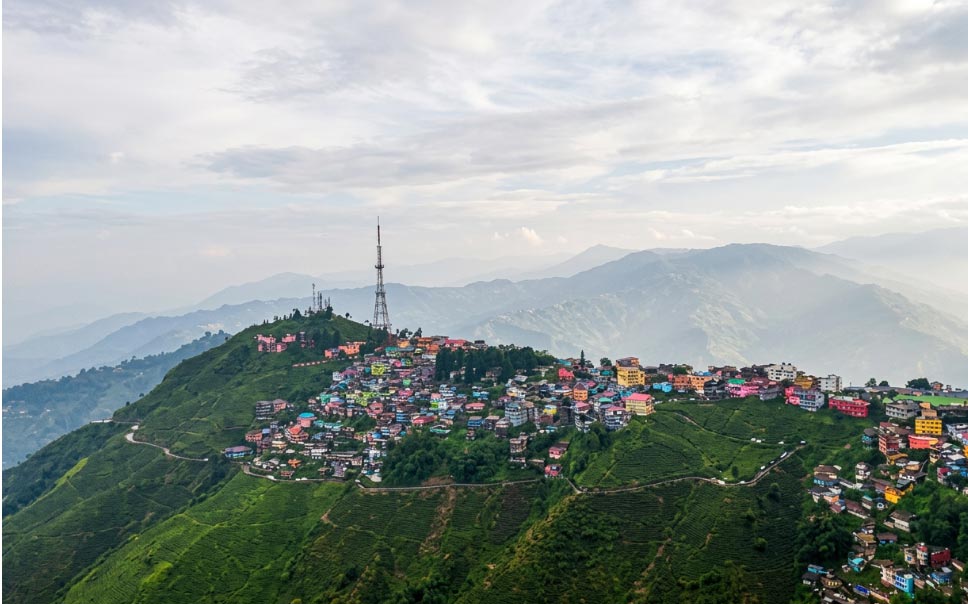
Nestled in the quiet folds of the Darjeeling district in North Bengal, Mahaldiram Gaon serves as a serene sanctuary for those seeking to escape the frenetic pace of urban life. Located at 5200 feet and surrounded by tea gardens and lush forests, here the air is crisp and the landscape is dominated by a vibrant palette of azure skies and Mt. Kanchenjungha. Mahaldiram is very near to the “Orange Village,” of Sittong. This Lepcha hamlet is an intimate setting allowing for a genuine exchange of culture and the comforting taste of traditional home-cooked meals.
Lodging and dining facilities in Mahaldiram Gaon
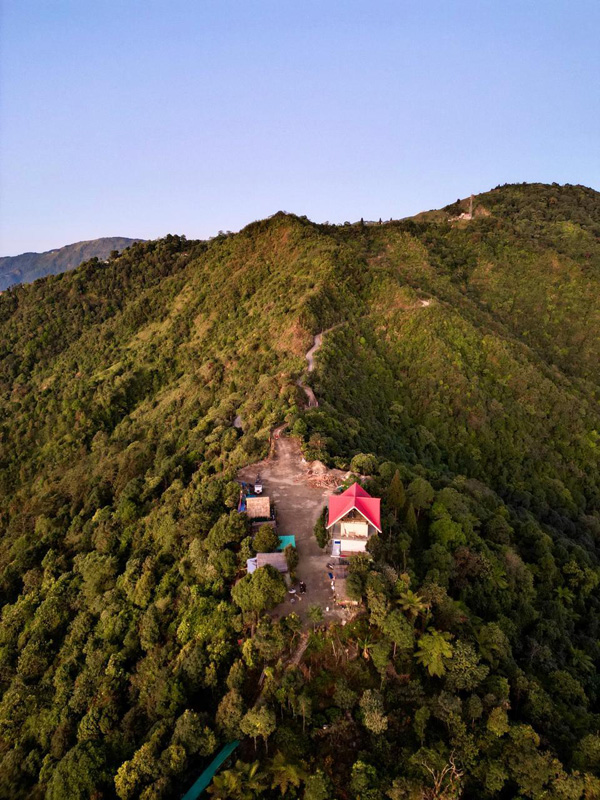
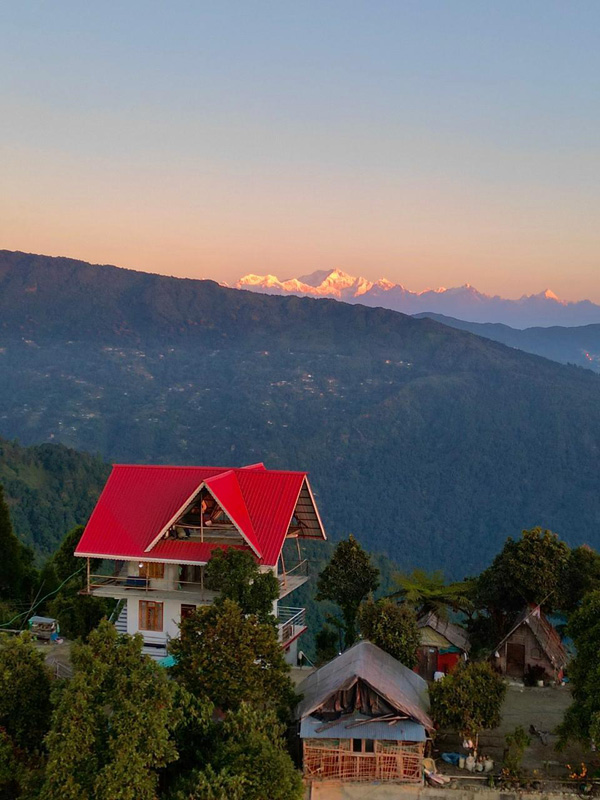
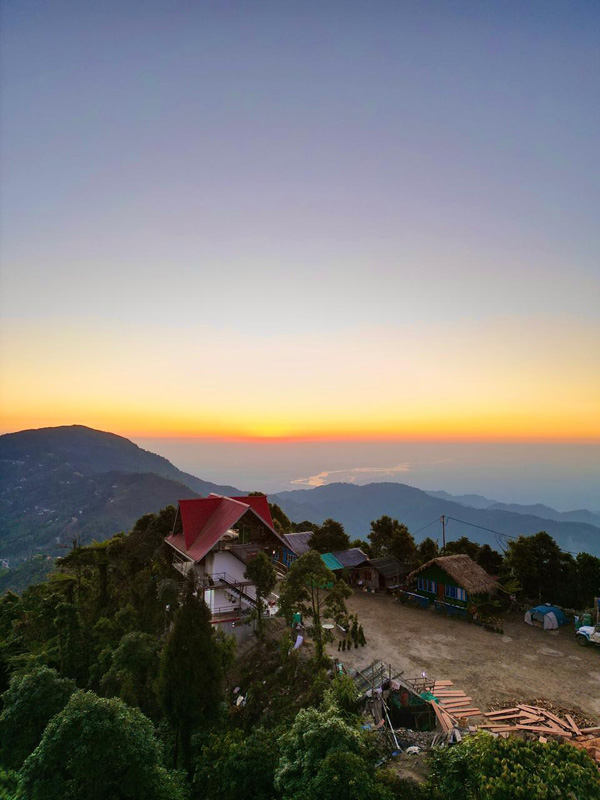
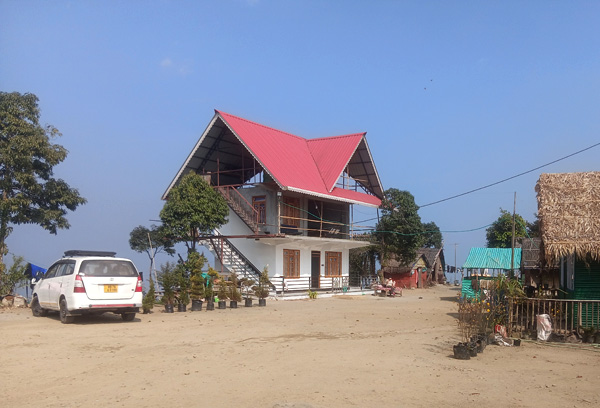
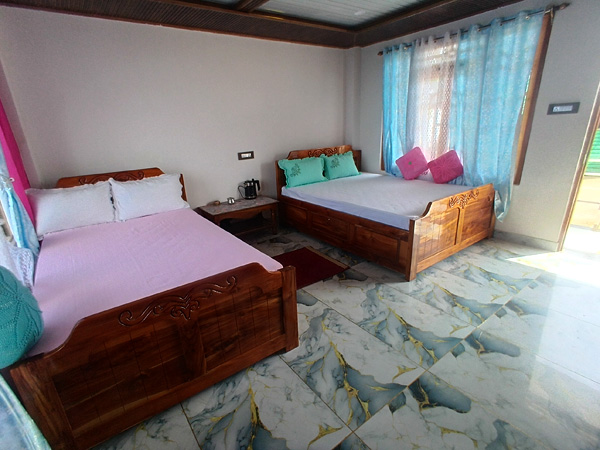
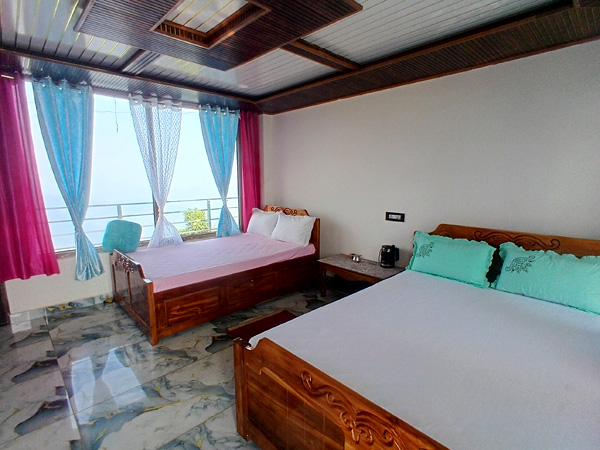
Our homestay is located on a hilltop surrounded by forests with a 360 degree view of Mt. Kanchenjungha and the plains of Teesta. We have 02 Deluxe Double Bed rooms in Base Floor, 01 Premium Four Bedded Family room on First Floor and 02 Ethnic Four Bed Cottages on Ground Floor. All our rooms come with attached Western Bathrooms, Hot Water arrangements and Comfy Beds. We also have balconies facing Mt. Kanchenjungha attached with Deluxe Double Bed rooms and Premium Four Bedded Family room. Our sumptuous food menu features great vegetables grown locally. The food is served in our Dining Hall.
Mahaldiram Photo Gallery

Things to do at Mahaldiram
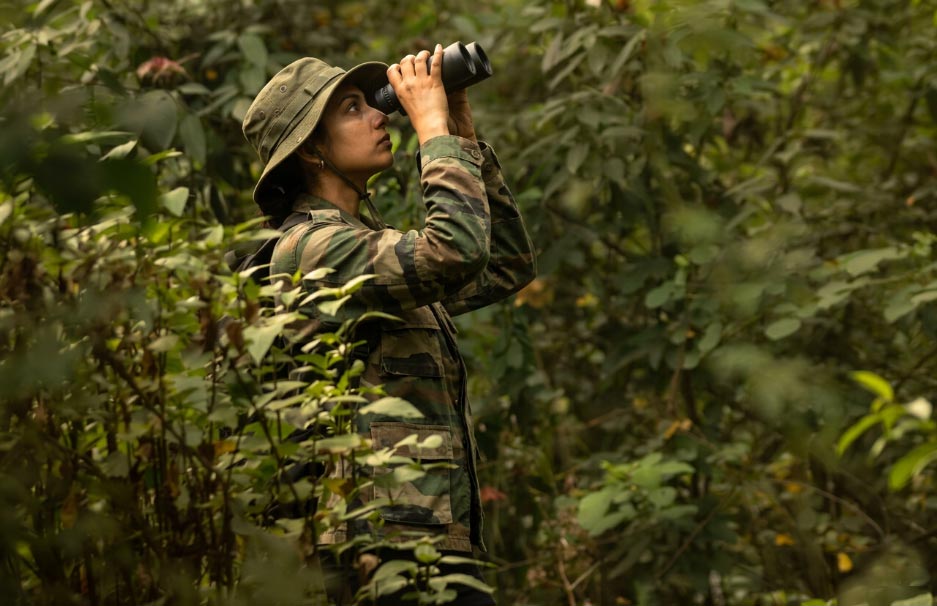
The cultural and ecological heartbeat of Mahaldiram lies in its sprawling orange orchards and tea gardens. For those who prefer the quiet observation of nature, the region is a verified birdwatcher’s paradise. Enthusiasts often find themselves mesmerized by the sighting of the rare Rufous-necked Hornbill, alongside the vivid plumage of Scarlet Minivets and Green Magpies flitting through the canopy.
For the more adventurous soul, Mahaldiram serves as an ideal base for nature walks and trekking. The region is crisscrossed with forest trails that lead to breathtaking vantage points, such as the Upper Ridge, which offers 360-degree views of the surrounding peaks. More ambitious trekkers can even venture toward nearby Chatakpur to witness the grandeur of the high Himalayas. These rugged activities are perfectly balanced by the peaceful opportunity for riverside picnics at Jogighat. Here, the Riyang River flows gently over smooth stones, providing a perfect spot to dip one’s feet in the cold mountain water and enjoy a quiet afternoon amidst the sound of the current.
How to reach Mahaldiram Gaon
The shortest route (45 kms) to reach Mahaldiram froom NJP is through Sukna – Sepoy Dhura – and Simring TE. You will get resetve cars from NJP or Siliguri to Mahaldiram.
Best time to visit Mahaldiram
You can visit Mahaldiram anytime of the year. Winters are perfect for enjoying the majestic view of Mt. Kanchenjungha in the horizon and the monsoons are best for the lush green forests and tea gardens.
Places to see in Mahaldiram Gaon
Beyond its sprawling orchards, the true allure of Mahaldiram lies in its diverse collection of landmarks, ranging from natural wonders to sites of deep historical and spiritual resonance. The region serves as a gateway to some of North Bengal’s most spectacular vistas, most notably the Ahaldara Viewpoint. Situated atop a ridge, this spot provides a breathtaking 360-degree panorama that captures the majesty of the Kanchenjunga range alongside the emerald curves of the Teesta River and the neatly manicured patterns of rolling tea gardens below. It is a place where the grandeur of the Himalayas feels intimately close, offering a sense of scale that is both humbling and exhilarating.
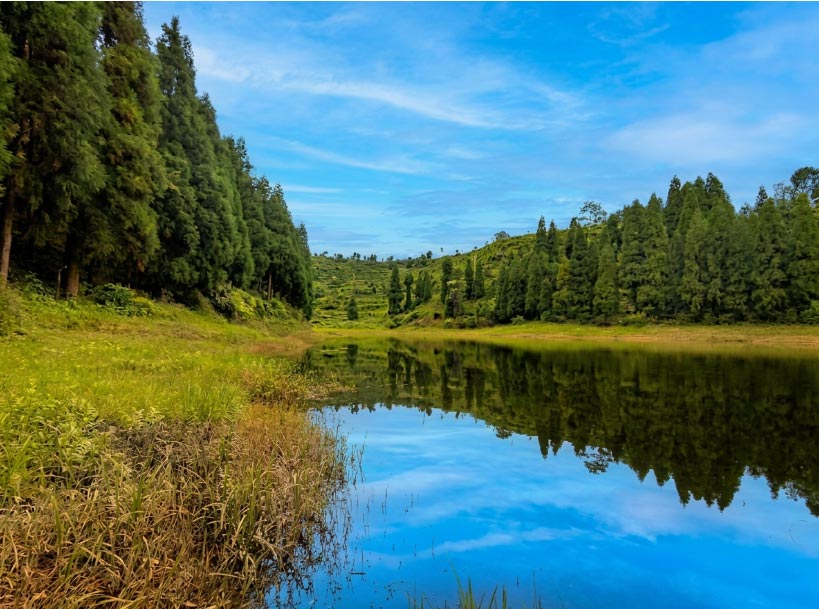
Complementing these grand vistas are the quieter, more mysterious corners of the landscape, such as Namthing Pokhri. This seasonal forest lake is more than just a body of water; it is a critical ecological site serving as one of the few remaining homes for the rare Himalayan Salamander. The presence of this ancient amphibian species adds an air of primordial wonder to the lake, making it a significant stop for nature lovers. Similarly, the Upper Mahaldiram Monastery offers a different kind of quietude. Built with traditional bamboo and mud, this atmospheric structure provides a space for peaceful reflection, framed by the silent watch of the surrounding mountains.
The cultural fabric of the region is further enriched by its proximity to Mungpoo, located just eight kilometers away. This small town is steeped in literary history as the former summer residence of Nobel laureate Rabindranath Tagore. Today, the Rabindra Museum stands as a tribute to his legacy, preserving the environment where he composed some of his finest works. Connecting these cultural and natural sites is the Jogighat Bridge, an impressive 74-meter-long steel structure. Spanning the river to link Sittong with Mungpoo, the bridge serves as a stunning architectural vantage point, offering travelers an uninterrupted view of the river valley and the lush wilderness that defines this Himalayan retreat.
Nearby attractions of Mahaldiram
The “Land of White Orchids” or Kurseong town and its suburb is the most exciting nearby gateway of Mahaldiram. Eagle’s Crag in Kurseong provides a stunning bird’s-eye view of the Siliguri plains and the Teesta River, while the Giddapahar View Point offers a clear, majestic silhouette of the rolling green hills. For those who enjoy the mystery of the hills, the mist-covered paths of Dowhill provide a hauntingly beautiful escape into nature.
Kurseong has long been a muse for historical figures. Rabindranath Tagore drew poetic inspiration from its quiet ridges, and even Mark Twain was captivated by the town during his 1885 visit. This rich legacy is preserved across several specialized sites like Netaji Subhash Chandra Bose Museum which showcases rare letters and artifacts belonging to the freedom fighter. The DHR Railway Museum celebrates the engineering marvel of the UNESCO-listed Toy Train.
Kurseong is also home to world-renowned tea gardens like Makaibari and Castleton, which produce some of the most expensive and sought-after teas globally. Visitors can engage in “leaf-to-cup” tours, exploring the rhythmic life of the plantations and participating in professional tasting sessions that highlight the nuanced flavors of Darjeeling tea.
Beyond its history and industry, Kurseong is a place for reflection. The Ambotia Shiva Mandir sits nestled within orange orchards, offering a peaceful atmosphere overlooking the valley. In contrast, the secluded St. Mary’s Grotto—a forest shrine dedicated to the Virgin Mary—highlights the town’s diverse and harmonious spiritual landscape.